
A job offer abroad, a master's program, a spouse's visa finally coming through. Whatever got you here, you're leaving Pune and you genuinely don't know when you'll be back. That's the part that makes this move harder to plan than a normal one. A regular move has an end date. This one doesn't, and that changes almost every decision about what happens to your stuff.
Quick answer: if there's a real chance you'll be back in India within a couple of years, storing your furniture and appliances is almost always cheaper than selling everything now and buying it all again later. Keep documents, jewellery and anything irreplaceable with you or with family, not in a warehouse.
Don't sell everything just because you're unsure
We get asked this a lot: should I just sell it all before I leave, one less thing to worry about? For some people, sure, that's the right call. But if there's a decent chance you'll be back within a year or two, think twice. We've seen people sell a perfectly good sofa for a couple thousand rupees and then spend forty thousand replacing furniture when they moved back. Storage for two years is usually a lot cheaper than that.
Sort your belongings into three piles
Before you touch a single box, walk through the flat and put everything into one of three groups.
- Carry with you: documents, jewellery, a few sentimental things, anything you'd actually need abroad in the first few weeks.
- Store in Pune: furniture, appliances you won't use overseas (Indian sockets and voltage rarely translate), seasonal items, books, and anything with resale or sentimental value that isn't worth shipping.
- Sell or give away: stuff that's already near the end of its life, or so cheap to replace that storing it for years costs more than just buying new later.
Vehicles and bikes get their own section below, they don't fit neatly into any of these three.

Be honest with yourself about how long you'll be gone
A six month posting and an open ended work visa call for very different plans. If there's any chance "temporary" turns into a few years, look for a storage provider that lets you pick a tenure in months instead of locking you into a rigid annual contract, and one that lets you extend or close it out remotely. You won't exactly be popping by in person to sort it out.
Pack for storage that might outlast a monsoon or two
Movers pack for a few hours in transit. Long term storage has to survive humidity, dust and time, and a few things matter more here than people expect.
- Wood and leather furniture: wipe down and dry completely before wrapping. Trapped moisture is what causes mould and warping, not the length of storage itself.
- Electronics: original boxes if you kept them, otherwise bubble wrap plus a few silica gel packets inside the carton.
- Clothes and fabric: vacuum sealed bags save space and keep out moisture and pests far better than an open box ever will.
- Metal fittings and appliances: a light coat of anti rust oil on exposed metal before a multi year stay.
Quick tip: label every box with its contents and the room it came from. Eighteen months from now, "kitchen, steel utensils and tiffins" will save you far more time than "misc 4".
What about your bike or car?
Vehicles degrade fastest when they just sit there unused. If you're storing a bike or car for more than a few months, check that the facility can actually handle vehicles and not just household cartons, and ask whether periodic battery maintenance is part of the deal. A battery left completely dead for two years usually isn't worth reviving.
Keep documents and valuables out of long term storage
Property papers, insurance documents, PAN and Aadhaar copies, anything irreplaceable really shouldn't sit in a warehouse for years no matter how secure it is. Carry originals with you or leave them with someone you trust, and keep scanned copies in the cloud either way, just in case.
What to check before you sign with a storage provider
- Can you manage the account remotely, extend it, pay, or request delivery without visiting in person?
- Is the facility actually monitored, CCTV, access control, the basics?
- Do they offer insurance on stored goods, and what does it really cover?
- Will they pick up from your home, or do you need to arrange your own transport?
- Who do you call if something needs sorting out while you're in a different time zone?
A quick pre-departure checklist
- Sort belongings into carry, store or sell at least three weeks before departure.
- Photograph valuable items before they're packed away, for your own records.
- Take vehicle documents and spare keys with you, or leave them with family, not in storage.
- Confirm your storage tenure, pickup date and how to extend it before you fly out.
- Share the storage provider's contact details with someone in Pune who can act for you if needed.
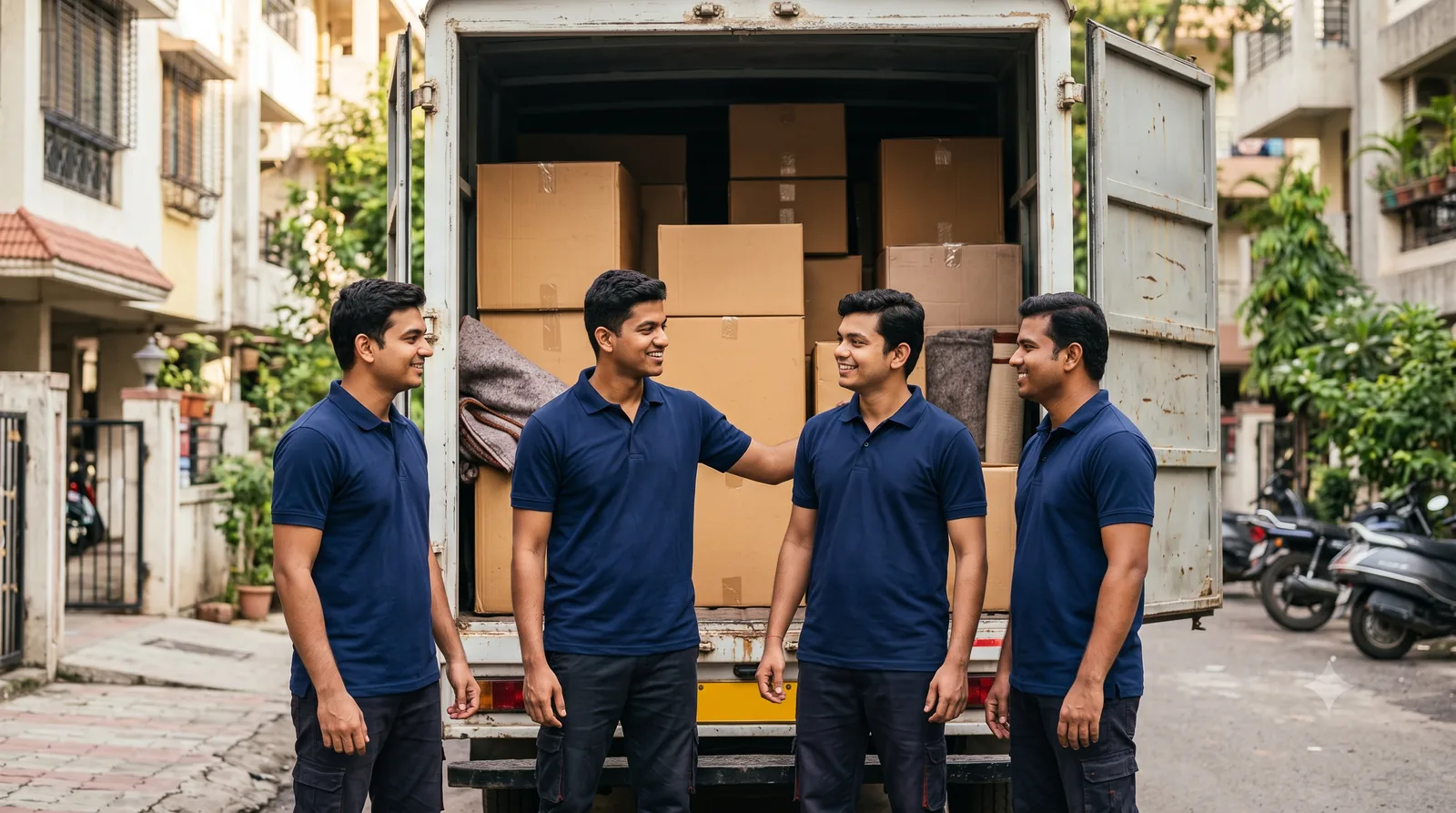
At MyEasySpace we pick up directly from your home in Pune, pack fragile and long term items properly, and store everything in a CCTV monitored warehouse, so it's one less thing to sort out before you fly.
Frequently asked questions
Should I sell my furniture before moving abroad?
Not automatically. If there's a reasonable chance you'll return within a couple of years, storing furniture and appliances usually costs less than replacing everything later. Selling makes more sense if you're leaving for good or the items are already worn out.
How long can household items stay in storage?
There's no fixed limit as long as things are packed properly for the long haul. Choose a provider that lets you extend month to month rather than locking you into a fixed term, since plans abroad tend to change.
Can I store a bike or car while I'm abroad?
Yes, but check the facility actually stores vehicles and not just cartons, and ask about battery maintenance. A vehicle left dead for a year or two often isn't worth reviving.
Should important documents go into storage?
No. Keep property papers, insurance documents and ID proofs with you or with family, and back them up in the cloud. Storage is for furniture and appliances, not anything irreplaceable.